The mysteries behind the psychology of gambling revealed
The Allure of Gambling: Why People Play
The psychology of gambling begins with understanding its inherent allure. Many individuals are drawn to the thrill of uncertainty and the potential for instant gratification. This excitement is often heightened by the environment of casinos, which is designed to engage the senses—bright lights, vivid colors, and captivating sounds create an atmosphere that can be intoxicating. For many players, the experience transcends mere monetary value; it becomes a source of emotional and psychological stimulation. In the best casinos in the world, players often enjoy the convenience of payment methods such as payid pokies, allowing easy access to their funds.
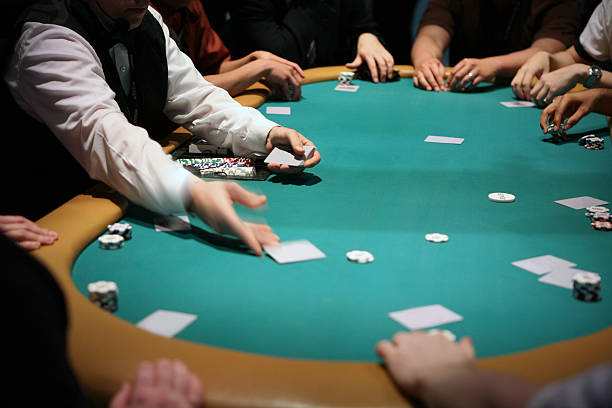
Moreover, gambling can serve as an escape from daily life, providing a temporary relief from stress or dissatisfaction. This psychological aspect is particularly powerful in modern society, where individuals often face various pressures. The rush that accompanies a win releases dopamine, a neurotransmitter linked to pleasure and reward, reinforcing the desire to gamble. This cycle can create a compulsion, where the individual seeks repeated enjoyment through gambling.
Interestingly, the social aspect of gambling also plays a significant role in its appeal. Many people enjoy the camaraderie found in casinos, where interactions with other players can enhance the experience. Whether celebrating a win or sharing the disappointment of a loss, the shared emotional journey fosters a sense of belonging. This social element can further entrench gambling behavior, as individuals often feel more compelled to participate in activities that allow them to bond with others.
The Role of Cognitive Biases in Gambling
Cognitive biases significantly shape gambling behavior, often leading players to make irrational decisions. One prevalent bias is the illusion of control, where individuals believe they can influence the outcome of random events. This mindset is particularly evident in games like poker or blackjack, where strategic thinking is involved. Players may overestimate their skills and capabilities, leading them to take unnecessary risks that ultimately result in losses.
Another common bias is the gambler’s fallacy, which involves the mistaken belief that past outcomes can influence future events. For instance, a player may think that a particular slot machine is “due” for a win after a series of losses. This fallacy can perpetuate gambling behavior, as individuals persist in their attempts to predict outcomes based on previous results, rather than understanding the random nature of these games.
These cognitive biases not only affect decision-making but can also foster an environment of denial regarding the risks associated with gambling. Players may convince themselves that they can win back losses, often leading to a destructive cycle of chasing losses. Recognizing these biases is essential for understanding why many individuals struggle with gambling addiction and the psychological barriers that make quitting difficult.
The Emotional Impact of Winning and Losing
The emotional responses associated with gambling can be profound and complex. Winning elicits feelings of elation and empowerment, providing a temporary boost to self-esteem. However, the thrill of winning can lead to overconfidence, encouraging players to wager larger amounts than they normally would. This cycle often results in significant financial losses that can overshadow the initial joy of a win, creating a precarious emotional balance for gamblers.
On the flip side, losing can lead to various negative emotions, including shame, guilt, and frustration. The financial repercussions can significantly impact relationships and mental health, leading to feelings of isolation. Many gamblers experience a deep sense of loss, not only in monetary terms but also in personal confidence and well-being. This emotional rollercoaster can trap individuals in a cycle of gambling in hopes of recapturing that euphoric feeling associated with winning.
Furthermore, the emotional ramifications of gambling can extend beyond the individual to affect their family and friends. Loved ones may experience anxiety and stress due to the financial instability that gambling can bring. Thus, the emotional landscape of gambling is intricate, encompassing a spectrum of feelings that can create an unhealthy relationship with money and risk.
Understanding Gambling Addiction
Gambling addiction is a serious psychological condition characterized by compulsive gambling behavior that disrupts daily life. Individuals with this addiction often find it difficult to control their gambling impulses, despite negative consequences. Research shows that gambling addiction activates the same brain regions as substance abuse, highlighting its potential severity. Many people who develop this addiction do so after initially engaging in gambling for social or recreational purposes.
A key component of gambling addiction is the emotional regulation it provides. Many individuals use gambling as a coping mechanism to deal with stress, anxiety, or depression. However, this reliance on gambling can lead to a vicious cycle, where the temporary relief gained from gambling is overshadowed by long-term negative consequences. Understanding this psychological aspect is crucial in addressing and treating gambling addiction effectively.
Treatment options for gambling addiction include therapy and support groups, which aim to help individuals understand their triggers and develop healthier coping mechanisms. Cognitive-behavioral therapy, for instance, can be particularly effective in addressing cognitive biases and promoting more rational decision-making. By fostering awareness of these underlying psychological factors, individuals can begin to reclaim control over their lives and reduce their gambling behavior.

Finding Resources and Support
If you or someone you know is struggling with gambling addiction, it’s essential to seek help. Numerous resources exist to provide support and guidance to individuals facing this issue. Professional counseling and support groups can help gamblers understand their behavior and develop strategies for recovery. Many organizations focus specifically on gambling addiction, offering tailored resources for individuals and their families.
Additionally, raising awareness about the psychological factors that drive gambling behavior can empower individuals to make informed choices. By educating oneself about the risks and emotional ramifications of gambling, individuals can better navigate their relationships with gambling and seek healthier alternatives. Recognizing the signs of addiction early can lead to more effective intervention and recovery.
Ultimately, understanding the psychology behind gambling is crucial for both prevention and recovery. By shedding light on the complexities of gambling behavior, individuals can approach it with greater awareness and caution. Engaging with resources and communities can facilitate healing and provide pathways to a healthier mindset regarding gambling and risk.