The cultural significance of casinos in modern society
The Historical Evolution of Casinos
Casinos have been part of human civilization for centuries, evolving from simple game halls to grand establishments that reflect cultural and societal changes. The earliest forms of gambling can be traced back to ancient civilizations such as the Chinese and Romans, where games of chance were intertwined with social gatherings. As societies developed, so did the complexity of gambling establishments, leading to the creation of dedicated spaces for gaming, entertainment, and social interaction. Particularly, the thrill of playing the aviator game embodies this evolution.
In modern times, casinos have become more than just places for gambling; they are often luxurious venues that host various entertainment forms, from concerts to fine dining. This evolution mirrors societal shifts towards leisure and recreation, highlighting how casinos have adapted to meet the changing desires of the public.
Casinos as Social Hubs
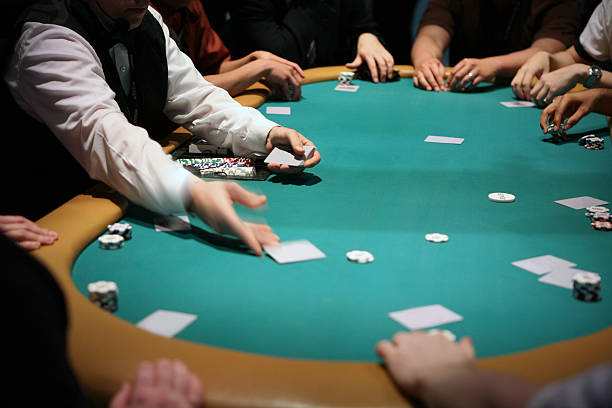
Today, casinos serve as significant social hubs where people from diverse backgrounds come together. They offer more than just gambling; they provide a space for community interaction, where individuals can forge connections and build relationships. The atmosphere of excitement, coupled with the chance to win, encourages social engagement, fostering a sense of belonging among patrons.
The communal aspect of casinos is particularly evident during high-stakes events or tournaments, where both seasoned players and curious onlookers gather. These events not only promote camaraderie but also stimulate local economies, showcasing the broader impact of casinos on community dynamics.
The Role of Casinos in Entertainment
Casinos have transformed into entertainment powerhouses, offering a wide range of activities beyond traditional gambling. Live performances, theatrical shows, and elaborate dining experiences attract visitors and create a multifaceted entertainment landscape. This diversification has helped casinos remain relevant in a world where entertainment options are abundant and competition is fierce.
The integration of technology has also enhanced the entertainment value of casinos. With the introduction of online gaming platforms, virtual reality experiences, and interactive games, casinos have expanded their reach, appealing to younger audiences while maintaining the interest of traditional players. This blend of technology and entertainment signifies a modern approach to engaging patrons.
High Roller Experiences and Status Symbol
The concept of the “high roller” embodies the allure of casinos, representing not just wealth but a lifestyle associated with luxury and exclusivity. High rollers often enjoy personalized services, access to private gaming rooms, and extravagant accommodations, reinforcing the idea that casinos are places where status is both showcased and attained.
Moreover, the experiences of high rollers contribute to the overall atmosphere of the casino, influencing other patrons and shaping the cultural narrative surrounding gambling. This dynamic interaction between wealth, risk, and reward further underscores the cultural significance of casinos in modern society.
Exploring Online Casino Culture
As technology advances, online casinos have emerged as a significant player in the gambling landscape. Platforms like Aviator Game provide users with unique gaming experiences while offering guidance on safe gambling practices. The rise of online casinos has expanded accessibility, allowing individuals to partake in gaming activities from the comfort of their homes.
Online casinos also cater to a wide range of player preferences, from casual gamers to serious strategists. They provide engaging content and promotions that enrich the user experience, demonstrating how digital platforms are shaping the future of gambling culture. This shift towards online engagement reflects broader trends in society, emphasizing convenience, accessibility, and personalization in entertainment.